
How Automated Trading is Transforming Financial Markets
Crypto Market Security and Ethics
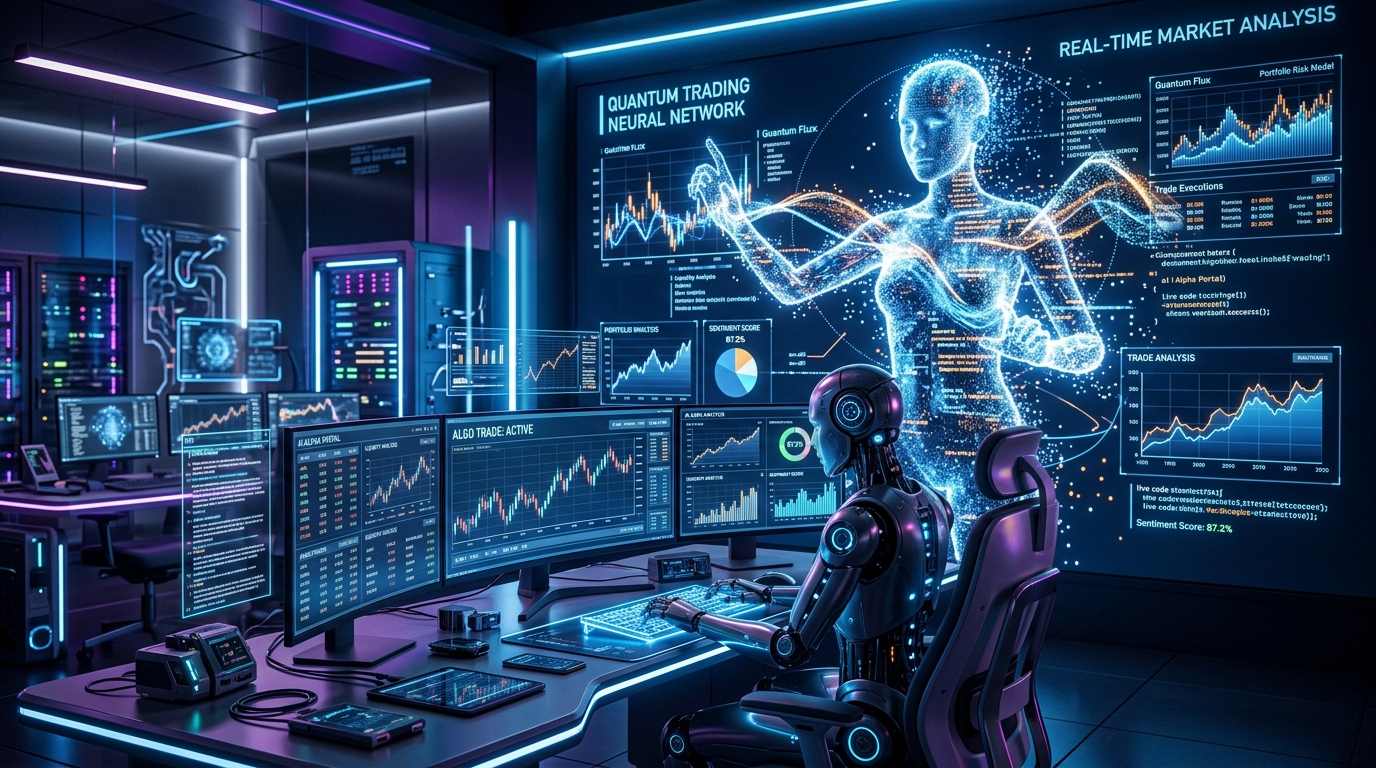
वित्तीय बाजारों में स्वचालन व्यापार के संचालन के तरीके को मौलिक रूप से बदल रहा है। एल्गोरिदमिक व्यापार की जड़ों से लेकर जटिल मशीन-लर्निंग मॉडल के विकास तक, स्वचालित व्यापार प्रणाली संस्थागत और खुदरा व्यापारियों दोनों के लिए अनिवार्य बन गई हैं। इस लेख में, हम देखेंगे कि कैसे स्वचालित व्यापार वित्तीय बाजारों को बदल रहा है, इसकी प्रमुख तकनीकें, रणनीतियाँ, लाभ, चुनौतियाँ, और इस क्रांति के चारों ओर नैतिक विचार क्या हैं।
स्वचालित व्यापार का परिचय
स्वचालित व्यापार का तात्पर्य कंप्यूटर प्रणालियों के उपयोग से है जो पूर्व-प्रोग्राम किए गए एल्गोरिदम के आधार पर मानव हस्तक्षेप के बिना व्यापार निष्पादित करते हैं। ये सिस्टम वास्तविक समय में बाजार डेटा का विश्लेषण करते हैं और ऐसी गति और सटीकता से निर्णय लेते हैं जिसे मानव व्यापारी मेल नहीं खा सकते। स्वचालित व्यापार का इतिहास 1970 के दशक के अंत से शुरू होता है जब सरल नियम-आधारित प्रणालियाँ थीं, जो अब आर्टिफिशियल इंटेलिजेंस (एआई) और मशीन लर्निंग को शामिल करने वाले जटिल प्लेटफार्मों में विकसित हो गई हैं।
स्वचालित व्यापार में प्रौद्योगिकी की भूमिका
The evolution of automated trading in India has been significantly influenced by cutting-edge technologies. With the integration of artificial intelligence and machine learning, trading platforms can now adapt to market dynamics, recognizing trends and refining strategies for better outcomes. High-frequency trading (HFT) has transformed the landscape, executing numerous trades in fractions of a second and capitalizing on tiny price variations. Furthermore, advancements in cloud technology, data analytics, and robust network systems have empowered traders to utilize these sophisticated algorithms worldwide, ensuring access to financial markets around the clock with minimal delays.
Understanding the Functionality of Automated Trading Systems
Automated trading systems are developed using intricate algorithms—comprehensive sets of directives crafted in various programming languages. These systems can vary from straightforward rule-based tactics, such as purchasing assets when they reach a designated price, to sophisticated AI-enhanced models that analyze historical trends to forecast future market behavior.
Different Categories of Automated Trading Systems Include:
- Rule-Based Trading Systems: Perform trades according to specific, pre-established guidelines.
- AI-Supported Trading Mechanisms: Evolve continuously by harnessing vast data insights, enhancing decision-making capabilities.
- Integrated Trading Approaches: Merge traditional strategies with AI algorithms to achieve superior trading outcomes.
- blog_three_question_4.subtitle_4: blog_three_question_4.desc_4
Varieties of Automated Trading Techniques
Each method is built on advanced algorithms, necessitating precise adjustments and vigilant risk oversight.
Automated trading employs a variety of strategies tailored to market dynamics and individual objectives. Some prominent approaches include:
- Arbitrage Techniques: These capitalize on price discrepancies between different exchanges or markets.
- Momentum Trading Approaches: These concentrate on harnessing market trends, purchasing during price surges and liquidating during declines.
- Mean Reversion Techniques: Leverage the expectation that market prices will return to their average levels following notable fluctuations.
- Strategies for Market Making: Earn from the difference between buying and selling prices by executing simultaneous orders.
Advantages of Automated Trading Systems
Unlock the potential of cryptocurrency trading with BTC Galdent 38.4, offered by BTC Galdent 38.4. This innovative platform empowers traders to leverage advanced algorithms and real-time market analysis to maximize their investment returns. With a user-friendly interface and robust security measures, you can trade Bitcoin and other cryptocurrencies with confidence. Access a diverse range of trading tools designed for both novice and experienced investors, enabling you to make informed decisions. The platform supports multiple payment options, ensuring seamless transactions tailored to the Indian market. Join a community of like-minded traders and stay updated with the latest market trends and insights. Experience the future of trading with BTC Galdent 38.4 at BTC Galdent 38.4.
Automated trading systems provide numerous benefits compared to traditional methods. Key advantages include:
- गति और दक्षता: कंप्यूटर मानवों की तुलना में व्यापार को तेजी से निष्पादित कर सकते हैं, अवसरों का लाभ उठाते हुए जो जल्दी समाप्त हो सकते हैं।
- मानव त्रुटियों में कमी: स्वचालित प्रणाली भावनात्मक निर्णय लेने और संज्ञानात्मक पूर्वाग्रहों को समाप्त करती है, जिससे अधिक स्थिर परिणाम मिलते हैं।
- 24/7 बाजार पहुंच: ये प्रणाली लगातार काम कर सकती हैं, यह सुनिश्चित करते हुए कि व्यापारी कभी भी बाजार के अवसरों को नहीं चूकें।
- पुनः परीक्षण और अनुकूलन: व्यापारी अपने रणनीतियों को लागू करने से पहले ऐतिहासिक डेटा का उपयोग करके उनका परीक्षण कर सकते हैं, प्रदर्शन को अनुकूलित करते हुए जोखिम को कम करते हैं।
स्वचालित व्यापार के जोखिम और चुनौतियाँ
BTC Galdent 38.4: Unlocking Crypto Trading Potential BTC Galdent 38.4 offers traders in India an unparalleled opportunity to harness the power of cryptocurrency trading. With advanced algorithms and real-time analytics, this platform enables users to make informed decisions, maximizing their profit potential. The user-friendly interface is designed for both novices and experienced traders, ensuring seamless navigation through various trading pairs. One of the key benefits of BTC Galdent 38.4 is its robust security measures, safeguarding your investments against market volatility and cyber threats. Additionally, the platform provides access to exclusive market insights and trends, empowering traders to capitalize on emerging opportunities swiftly. Moreover, with a focus on local payment methods, BTC Galdent 38.4 simplifies the deposit and withdrawal processes, making it easier for Indian investors to engage in the crypto market. Join the revolution in digital finance and experience the transformative benefits of cryptocurrency trading with BTC Galdent 38.4.
हालांकि स्वचालित व्यापार के कई लाभ हैं, लेकिन इसके साथ कुछ जोखिम भी हैं। प्रमुख चुनौतियाँ इस प्रकार हैं:
- बाजार की अस्थिरता के जोखिम: Automated trading systems can heighten market volatility, particularly during unexpected downturns, where swift and extensive sell-offs may spiral beyond control.
- Market Downturns: In a notable incident in 2010, an algorithmic trading mishap triggered a swift market plunge, erasing billions in mere moments.
- System Malfunctions: Errors in programming, system failures, or bugs can lead to considerable financial repercussions for traders.
- blog_three_question_7.subtitle_4: blog_three_question_7.desc_4
The Influence of Automated Trading on Financial Markets in India
स्वचालित व्यापार ने बाजार की तरलता और दक्षता में उल्लेखनीय वृद्धि की है। तेजी से और बार-बार ट्रेडिंग की अनुमति देकर, विभिन्न संपत्ति वर्गों में तरलता में सुधार हुआ है। हालांकि, मानव व्यापारियों की भूमिका घटती जा रही है, क्योंकि मशीनें पहले मैन्युअल रूप से किए जाने वाले कार्यों को संभाल रही हैं, जो वित्त क्षेत्र में रोजगार के परिदृश्य को बदल रही हैं।
विभिन्न संपत्ति वर्गों में स्वचालित व्यापार
स्वचालित व्यापार प्रणाली बहुपरकार की होती हैं और विभिन्न बाजारों में कार्य करती हैं, जिनमें शामिल हैं:
- शेयर: शेयर व्यापार एल्गोरिदम सबसे विकसित हैं, जिनका उपयोग हेज फंड और व्यक्तिगत व्यापारियों दोनों द्वारा किया जाता है।
- विदेशी मुद्रा: Automated trading systems have revolutionized cryptocurrency markets, swiftly adapting to emerging trends and market signals.
- Precious Metals: From silver to copper, precious metals markets leverage algorithmic trading for maximizing returns through strategic analysis.
- Digital Currencies: The highly volatile nature of digital currencies, available for trading around the clock, makes them ideal for automated trading strategies that react instantly.
Navigating Regulatory Landscapes
The oversight of automated trading is vital for maintaining market integrity. Regulatory authorities such as SEBI and RBI have started to introduce guidelines aimed at minimizing risks and enhancing transparency. Yet, as AI technologies evolve, these regulators find themselves challenged to keep pace with rapid advancements. Additionally, ethical dilemmas emerge, especially concerning the prevention of algorithm-driven market manipulation.
How Institutions Are Capitalizing on Automated Trading
Institutional players, notably hedge funds and proprietary trading entities, are increasingly turning to automated trading systems for competitive advantage. Quantitative analysts, or 'quants,' craft intricate models that harness vast data sets, AI, and machine learning to surpass conventional trading techniques. Many hedge funds attribute a significant portion of their achievements to these automated frameworks, such as the notable success of the Medallion Fund by Renaissance Technologies.
Automated Trading Opportunities for Retail Traders
Recent innovations have made automated trading accessible to retail investors. Platforms like Zerodha and Upstox provide seamless access to trading bots, while social trading networks enable users to replicate the strategies of successful traders. Retail investors can also opt to buy or create personalized trading bots to streamline their trading approaches.
Envisioning the Future of Automated Trading
जैसे-जैसे एआई और मशीन लर्निंग विकसित होते जा रहे हैं, वैसे-वैसे स्वचालित व्यापार प्रणालियों की जटिलता भी बढ़ेगी। क्वांटम कंप्यूटिंग, जो अभी भी अपने प्रारंभिक चरण में है, व्यापार को क्रांतिकारी बनाने की क्षमता रखती है, क्योंकि यह वर्तमान प्रणालियों की तुलना में विशाल मात्रा में डेटा को तेजी से संसाधित कर सकती है। अगले दशक में, स्वचालन वित्तीय बाजारों के और अधिक पहलुओं पर हावी होने की उम्मीद है, जिससे मानव हस्तक्षेप की आवश्यकता कम हो जाएगी।
स्वचालित व्यापार में नैतिक विचार
पारदर्शिता यह सुनिश्चित करने में महत्वपूर्ण है कि स्वचालित व्यापार निष्पक्ष और सुलभ बना रहे। एल्गोरिदम को इस तरह से डिज़ाइन किया जाना चाहिए कि वे बाजार में हेरफेर को रोकें और बाजार के अवसरों तक समान पहुंच सुनिश्चित करें। स्वचालन के लाभों और नैतिक बाजार प्रथाओं की आवश्यकता के बीच संतुलन बनाना नियामकों और बाजार सहभागियों के लिए एक निरंतर चुनौती है।
स्वचालित व्यापार में केस अध्ययन
- 2010 का फ्लैश क्रैश: यह घटना स्वचालित प्रणालियों के संभावित खतरों को उजागर करती है, जहां एल्गोरिदम ने बड़े पैमाने पर बिक्री को प्रेरित किया, जिससे बाजार मिनटों में गिर गया।
- Success Narratives: Investment firms such as Quant Capital and Alpha Strategies have harnessed advanced algorithms to consistently surpass market expectations, establishing new standards in finance.
Common Inquiries (FAQs)
- 1. What is algorithmic trading? Algorithmic trading involves utilizing computer programs to execute trades automatically, minimizing human decision-making.
- 2. What distinguishes high-frequency trading from traditional trading? High-frequency trading is the practice of executing numerous trades within seconds, taking advantage of minute fluctuations in price.
- 3. Is automated trading completely without risk? No, while automated trading minimizes human error, it still carries risks such as technical malfunctions and unpredictable market shifts.
- 4. Can individual investors participate in automated trading? Yes, many platforms enable individual investors to develop or implement automated trading strategies.
- 5. How do authorities oversee automated trading practices? Regulatory authorities in India employ a variety of monitoring mechanisms, including advanced surveillance technologies and systematic regulatory frameworks.
- 6. Which technologies are essential for automated trading systems? Crucial technologies encompass artificial intelligence, machine learning, cloud infrastructure, and ultra-fast internet connectivity.
Conclusion: The Dynamic Evolution of Financial Markets through Automation
The rise of automated trading is reshaping financial landscapes, enhancing efficiency, expediting trade execution, and enabling more complex strategies. As AI, machine learning, and quantum advancements progress, the future of automated trading will hinge on its capacity to innovate while upholding market integrity.